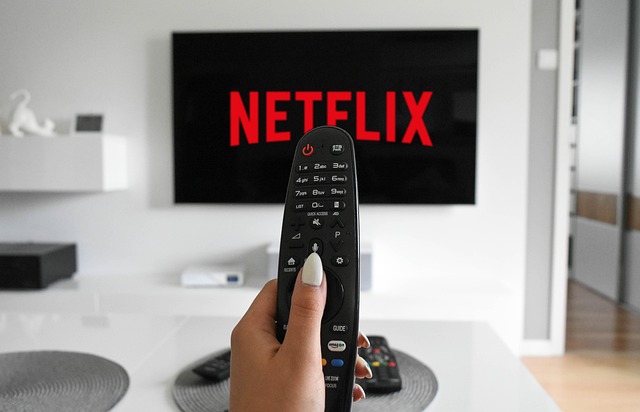

Remember the first time a cathode-ray television flickered to life in your living room? The bulky cabinet, the gentle hum, the faint scent of warm electronics—those sensations anchored many of us to a shared cultural moment. Fast-forward to today and the scene has changed dramatically: ultra-slim OLED screens glow with lifelike color while streams of Online television pour through fiber lines and 5G signals. Our relationship with the humble TV set has become a relationship with an ever-expanding universe of display technology, one that shapes how we experience stories, sports, news, and even our own family memories.
From Flicker to Fluidity: A Brief Chronology
In the mid-20th century, broadcast Television meant scanning lines and phosphor dots that created a picture only if you squinted kindly. Yet even that grainy image felt magical because it collapsed distance—news from across oceans arrived in your home instantly. Then came color, then flat panels, then high definition. Each leap reduced the gap between what was happening “out there” and what was happening in your living space. Today’s HDR displays boast over a billion shades, allowing filmmakers to paint in light itself. The effect? Viewers no longer watch; they inhabit scenes.
Technic & Tactility: When Engineering Meets Emotion
Behind every dramatic leap in display quality lies a web of technical milestones—quantum dots, micro-LED arrays, new backlighting algorithms—but what truly resonates with audiences is the emotional payoff. Think of the first time you noticed the velvety blacks of an OLED panel during a late-night thriller or how a football match in 120 Hz refresh feels almost surreal. Those goosebumps are proof that raw Technic has evolved into a conduit for human connection.
Key Innovations That Changed How We Feel Television
- LCD to LED Transition: Shedding weight and depth made screens less furniture, more window—suddenly your wall could be a Pacific sunset.
- 4K & 8K Resolution: The subtle twitches of an actor’s eye now speak volumes; visual nuance becomes dramatic nuance.
- High Dynamic Range (HDR): Brighter highlights and deeper shadows tap into innate human preferences for contrast, intensifying emotional cues.
- Variable Refresh Rate: Gaming on a monitor that syncs every frame eliminates motion stutter, letting adrenaline flow unimpeded.
Visualization Beyond the Living Room
Online television has untethered content from the classic living-room setup. We jump from a 65-inch wall-mounted giant to a 6-inch phone screen during a commute, then back to an ultrawide monitor in the home office. Each display type poses unique challenges: brightness for outdoor visibility, color fidelity for design work, power efficiency for battery life. Yet the expectation of a seamless experience persists. Whether you are bingeing a noir series on an OLED tablet or watching live eSports on a curved desktop monitor, you demand consistent quality and instant access.
Monitors, Mirrors, Portals
The line between Television and monitor has blurred. Console gamers lounge on couches with HDMI 2.1 cables feeding high-frame-rate data to “TVs” that behave like giant gaming monitors. In parallel, remote workers join video calls on monitors that double as media centers once the workday ends. This fluid identity grants freedom: a screen is no longer a static appliance but a portal tailored by content, context, and mood.
Display Technology & Sustainability
As panels grow brighter and bigger, energy consumption becomes a talking point. Manufacturers experiment with mini-LED backlights that dim zones independently, while software dynamically adjusts luminance based on ambient light. The intention is clear: let us marvel at dazzling imagery without scorching the planet. Meanwhile, recyclable materials and modular designs hint at products that evolve with firmware updates instead of annual landfill cycles.
The Human Eye, Reimagined
Ultimately, the advance of display technology is an advance in how we process reality. Eye-tracking algorithms can now direct brightness to where you’re looking, effectively personalizing every moment on screen. Rec.2020 color spaces exceed what the average viewer can perceive, pushing the boundaries of our sensory apparatus. It is as though displays are educating our eyes, showing us facets of color and motion we never knew existed.
Where Online Television Leads, Innovation Follows
Streaming platforms have become laboratories for new codecs, dynamic bitrate adjustments, and adaptive color reporting. The demands of real-time delivery force engineers to squeeze every pixel into efficient data packets, while viewers unwittingly beta-test future industry standards. When a platform introduces Dolby Vision on a live concert stream, overnight millions experience a technology that once debuted solely in high-end cinemas. The cycle is symbiotic: audiences crave richer immersion; technologists deliver; expectations rise.
Living in the Glow
We are all citizens of an illuminated era, living rooms tinted by sci-fi neons one night and sepia period dramas the next. Our devices deliver empathy on demand; they invite us to laugh, shiver, cheer with strangers across continents. Display technology, for all its circuits and patents, is fundamentally about that luminous bridge between light and feeling. Online television doesn’t merely showcase progress—it embodies it in photon form, letting each pixel whisper stories shaped by decades of curiosity, craft, and the enduring human urge to see more clearly.